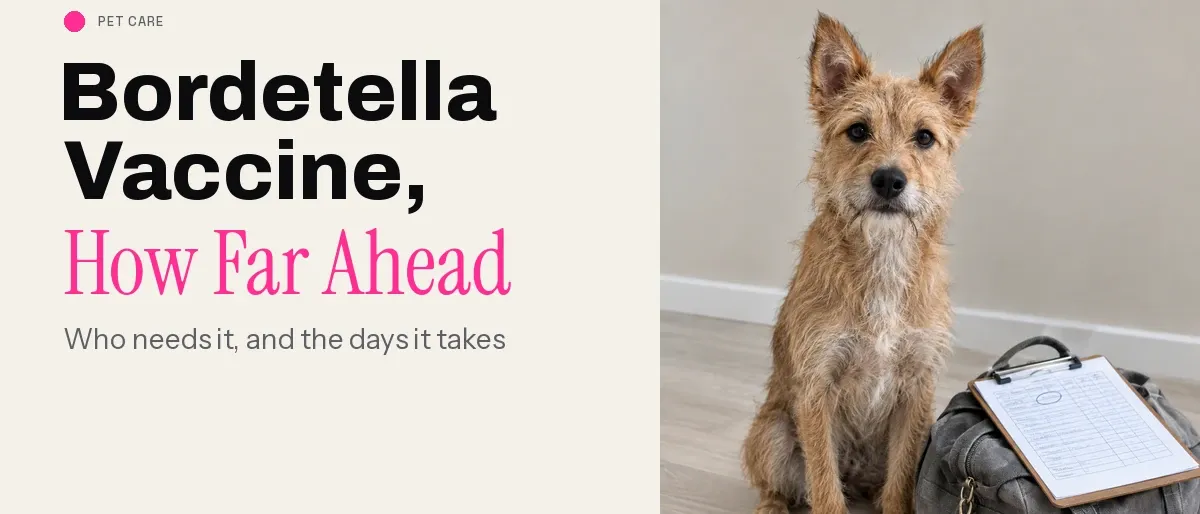
The Bordetella vaccine is the kennel cough shot, and most dogs that board, go to daycare, see a groomer or regularly meet other dogs should have it once a year. It lowers the odds of kennel cough and makes a case milder, but it does not make a dog immune. Veterinarians generally prefer the nose-drop version, which can protect within two to three days. The injection needs two doses and about three weeks. So when the daycare form says "current Bordetella," the real question is how many days you have left.
The request usually lands four days before the trip, in an email from the boarding kennel. Your dog, meanwhile, is asleep on the one cushion they are not allowed on, unaware that the whole week now depends on a squirt up the nose. It is one of the optional shots in the wider plan for which vaccines a dog actually needs, and it runs on its own clock.
What does the Bordetella shot protect against?
It protects against Bordetella bronchiseptica, the bacterium behind many cases of kennel cough.
Kennel cough is not one germ. The American Veterinary Medical Association describes it as a complex: Bordetella plus viruses such as canine parainfluenza and adenovirus type 2, with canine influenza and several others in the mix, often more than one at a time. That is why most nose-drop products cover parainfluenza and adenovirus type 2 too, and why the American Animal Hospital Association says a dog at risk from one of the three is at risk from all of them.
It spreads through close contact, coughs and sneezes, and shared bowls, toys and bedding, and some of the organisms survive on surfaces for weeks.
Does my dog need the kennel cough vaccine?
Probably, if your dog's week involves other dogs' faces.
AAHA lists Bordetella, the main kennel cough vaccine, as noncore: meant for dogs whose lives put them at risk rather than for every dog. The AVMA recommends a yearly nose-drop dose for dogs in multi-dog settings. In practice, risk follows the social calendar.
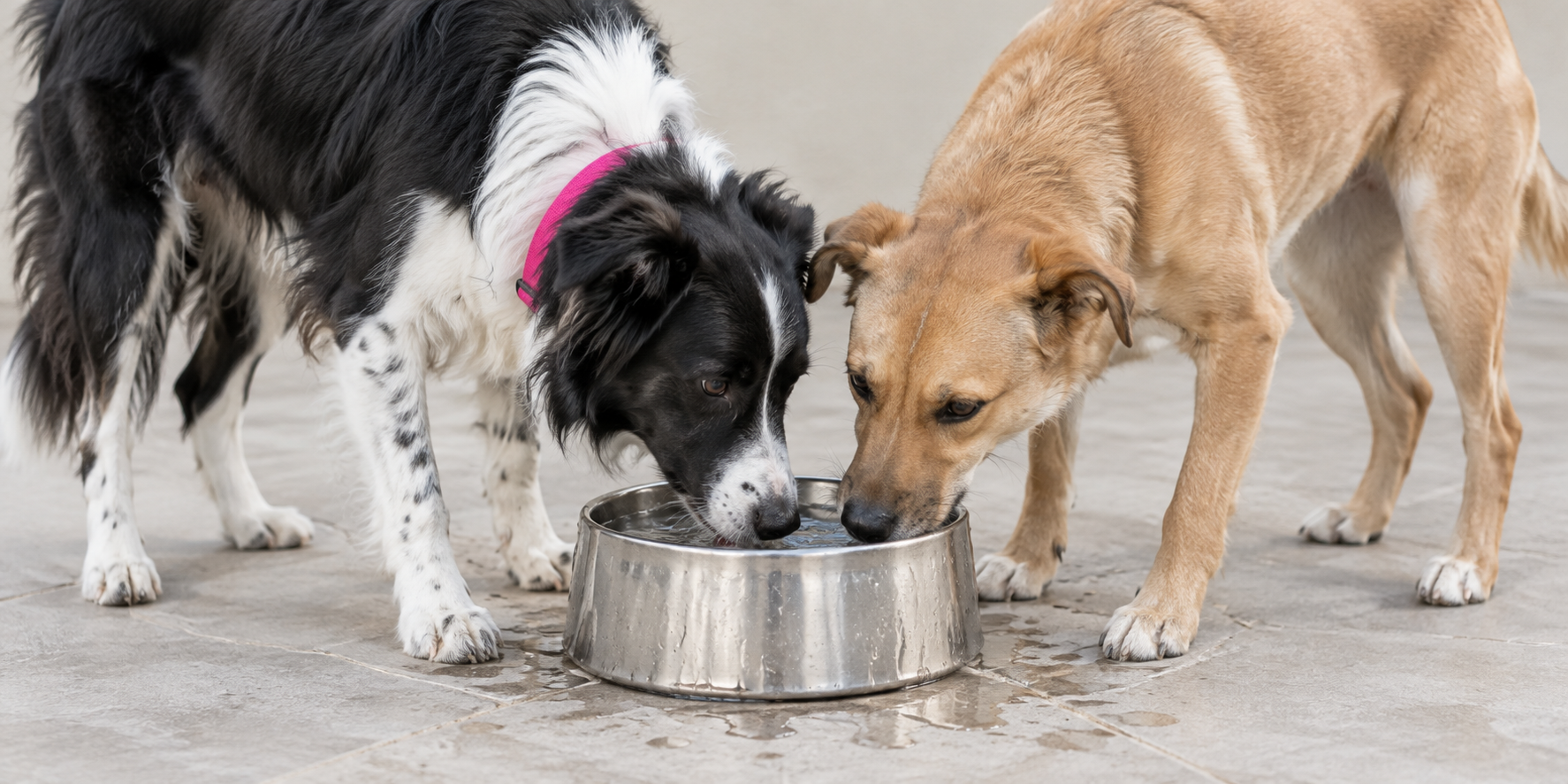
A dog whose world is one sofa, two people and a squirrel seen through glass is a real conversation to have with your vet, and some of those dogs can skip it. A dog with a weekend life, the park, the neighbor's dog, the patio with the shared water bowl, is exactly who the shot exists for. A daycare regular or frequent boarder may need it more than once a year.
Often the decision is made for you: boarding kennels, daycares and many groomers require it, so the question becomes when, not whether.
Which kind is best: nose drops, oral or injection?
Nose drops, for most dogs, and AAHA is unusually direct about it.
Its 2022 guidelines say the intranasal route is generally preferred, because it builds immunity where the infection starts, in the lining of the nose and airway. They go further: single-component oral and injectable Bordetella vaccines are not recommended, except for dogs that cannot be vaccinated through the nose. Some daycares and clinics treat the three forms as interchangeable, so it is worth asking which one your dog is getting.
| Form | First dose | When protection starts | Booster |
|---|---|---|---|
| Nose drops (intranasal) | One dose, from 3 to 4 weeks old | Within 48 to 72 hours in challenge studies | Yearly |
| Oral (into the cheek) | One dose, from 8 weeks old | Fast, a similar response to nose drops | Yearly |
| Injection | Two doses, 2 to 4 weeks apart, from 8 weeks old | 5 to 7 days after the second dose | Yearly for dogs at ongoing risk |
Source: Ford, Today's Veterinary Practice.
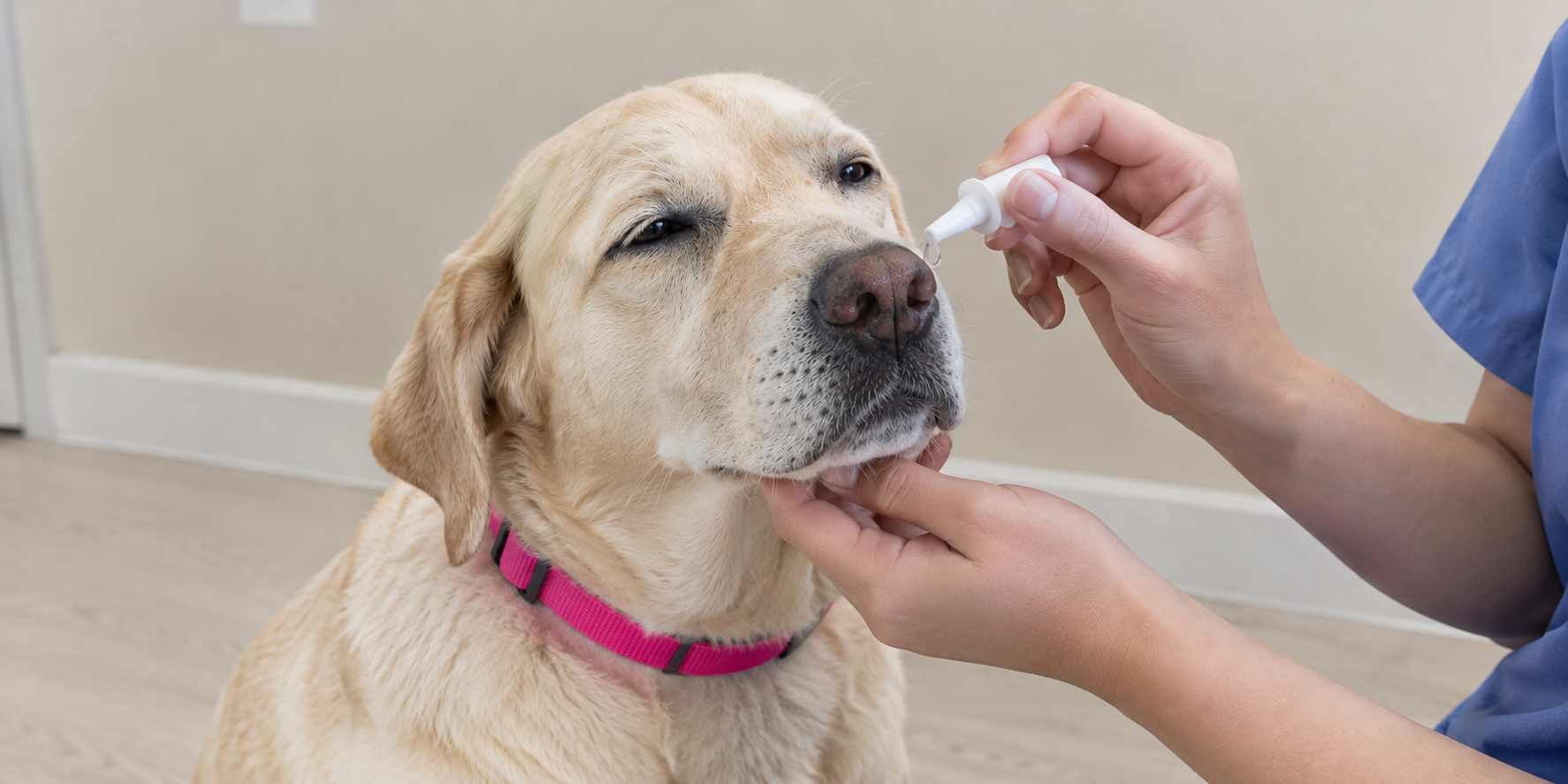
The nose drops have one practical upside for a needle-shy dog: no needle. The downside is a few drops of liquid up the nose, and your dog will tell you exactly how they feel about that.
How far ahead of boarding should my dog get it?
At least a week for nose drops or oral, and closer to four weeks for a first injection.
Count backward from drop-off day. A single nose-drop dose has shown protection within 48 to 72 hours, and in a 2018 study of 29 eight-week-old beagles, one dose of either the nose or oral version prevented coughing when the puppies were exposed seven days later. The injection is slower. The second dose comes 2 to 4 weeks after the first, and protection follows 5 to 7 days after that, so roughly three weeks at the very earliest.
That gap is why a last-minute injection rarely covers next week's trip. Many facilities also set a minimum number of days between the shot and drop-off, so read the form, not the reminder card.
How long does the Bordetella vaccine last?
About a year on the schedule, and possibly less in real life.
Nose-drop and oral boosters are given yearly. AAHA notes that clinical immunity may be as short as about six months, and that for high-risk dogs it can make sense to vaccinate more often, before a boarding stay, for example. So a twice-a-year boarder and a weekend park dog can end up on different schedules from the same vet.
This is the shot that lapses quietly. The core vaccines move to every three years after the first adult booster while this one keeps its own annual date, so it is easy to assume it was done at the last checkup when it was not. The full rhythm of core shots and their boosters is laid out separately.
Rabies is the one core shot whose timing is set by law, with its own 1-year or 3-year clock.
What are the side effects of the Bordetella shot?
Usually a few days of sneezing or a mild cough after nose drops, and a sore spot after an injection.
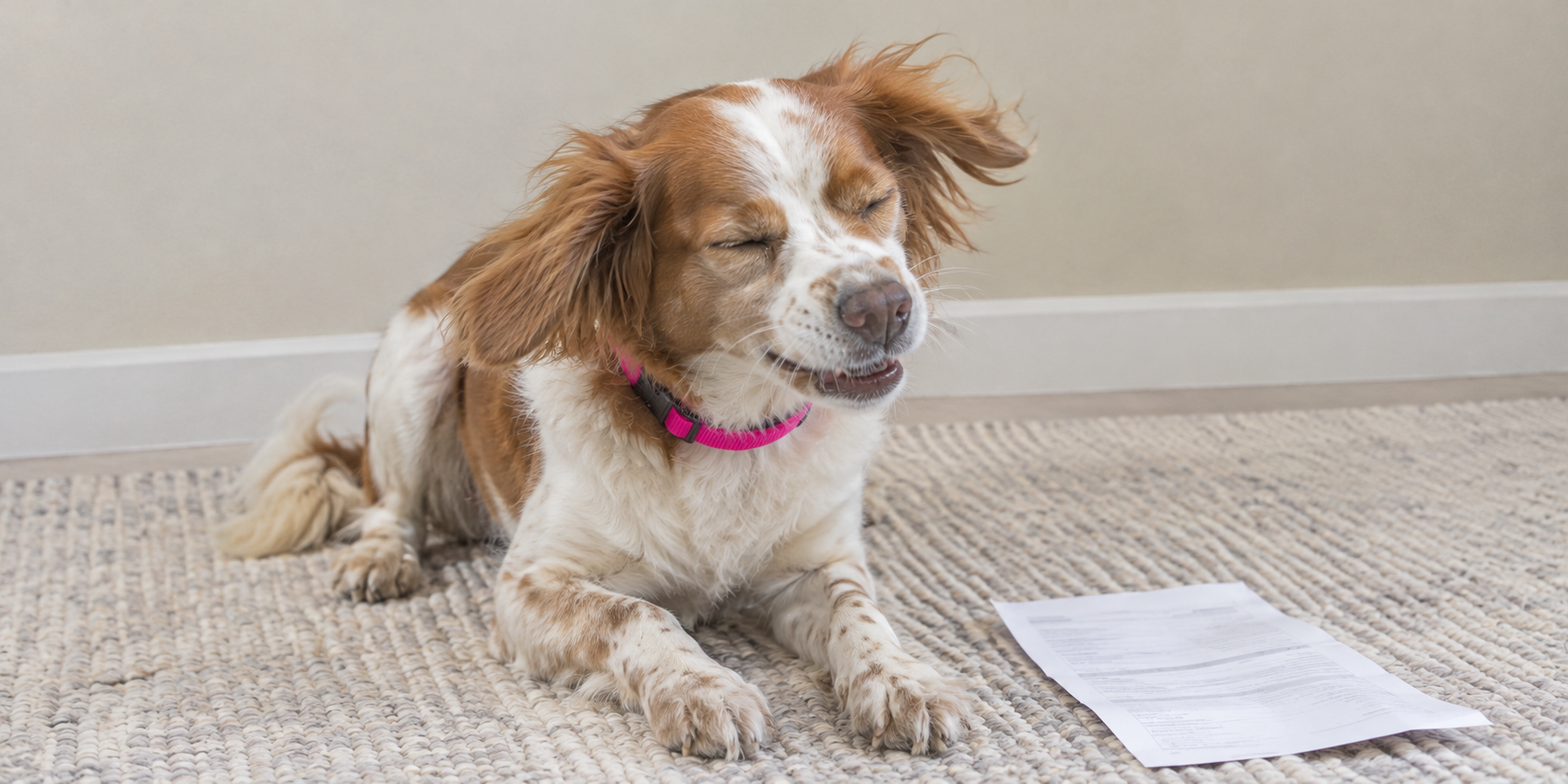
Sneezing and coughing after the intranasal dose are commonly reported, and a head shake that sends some of it back out is unlikely to spoil it. What is not normal is a cough with lethargy, poor appetite, fever or fast, labored breathing. The AVMA lists those as signs that can mean pneumonia, and they need your veterinarian promptly.
One more thing to say at the appointment. The nose and oral versions contain live, weakened bacteria, so if anyone at home has a seriously weakened immune system, tell your vet first. A 2023 case report from the Netherlands traced one person's bronchitis to the vaccine strain their dog had received two weeks earlier. It is a single, rare case, and it costs one sentence to mention.
Can a vaccinated dog still get kennel cough?
Yes, because the vaccine covers three of the causes and kennel cough has many more.
Canine influenza, respiratory coronavirus, herpesvirus and mycoplasma are all on the AVMA's list, and the standard nose-drop product targets none of them. Vaccination lowers the chance of illness and makes severe disease and spread less likely, and most mild cases clear within 7 to 10 days. A dog that comes home from boarding with a cough has usually met something else, or met Bordetella and got off lighter than they would have.
If the daycare also asks for a "flu shot," that is canine influenza, a separate injectable vaccine. AAHA does not recommend it for every dog and bases the call on whether it is circulating locally.
Why does this shot always end up last-minute?
Because its deadline is set by someone else and counted from a date most people cannot find.
It is really a small piece of arithmetic: the date it was given, the number of days it needs, and a cutoff the kennel chose. The scramble almost always comes from the first number, printed on a certificate that was photographed once and never seen again. Keeping that date where it can be found in seconds, in a dated record that sits with the dog rather than in a kennel's inbox, is a small part of what it means to give your pet their own page on pookii.
Questions about the Bordetella shot
Is Bordetella the same as kennel cough?
No. Bordetella is one bacterium. Kennel cough is the illness that it and several viruses cause, often together.
What is the Bordetella vaccine for dogs used for?
It lowers the risk and severity of kennel cough in dogs that mix with other dogs at boarding, daycare, grooming, training classes or parks.
How often do dogs need the Bordetella vaccine?
Once a year for most dogs at risk. For frequent boarders, AAHA says more often can make sense, because immunity may last only about six months.
Can puppies get the Bordetella shot?
Yes. Nose drops can start at 3 to 4 weeks, because the mother's antibodies do not block the response in the nose. Oral and injectable versions start at 8 weeks. Going out in public is a separate clock, set by the last dose of the puppy series.