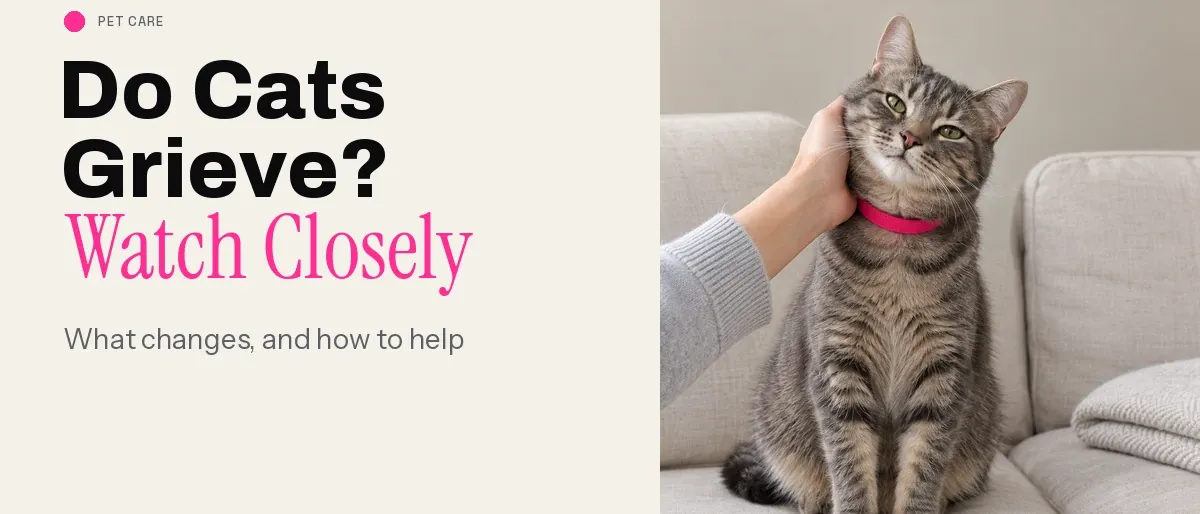
Do cats grieve? They can show changes after a companion dies that look like grief, from eating and playing less to calling out and searching the house, but research cannot tell us exactly what they feel. Keep their routine predictable, let them choose how much contact they want, and watch their health. A cat who stops eating needs a veterinarian promptly, even when the timing points to the loss.
The house feels different. There is one bowl instead of two, and a space on the couch you keep noticing. You may be watching your remaining cat closely, wondering whether they are looking for their friend too.
That is a fair question, and you can take their behavior seriously without a perfect answer about what is happening in their mind. Like the rest of our pet care library, this guide starts from what normal looked like for your cat, because a change from normal is the thing you can actually see.
Do cats grieve when another pet dies?
Many show grief-like changes, going by a 2024 study of 452 cats, though no study can say exactly what a cat feels.
Brittany Greene and Jennifer Vonk surveyed 412 caregivers about 452 cats whose household had lost another pet, 281 cats and 171 dogs between them. Caregivers reported their cats eating, playing and sleeping less, and seeking more attention, vocalizing more, hiding, spending more time alone and appearing to search for the companion who had died.
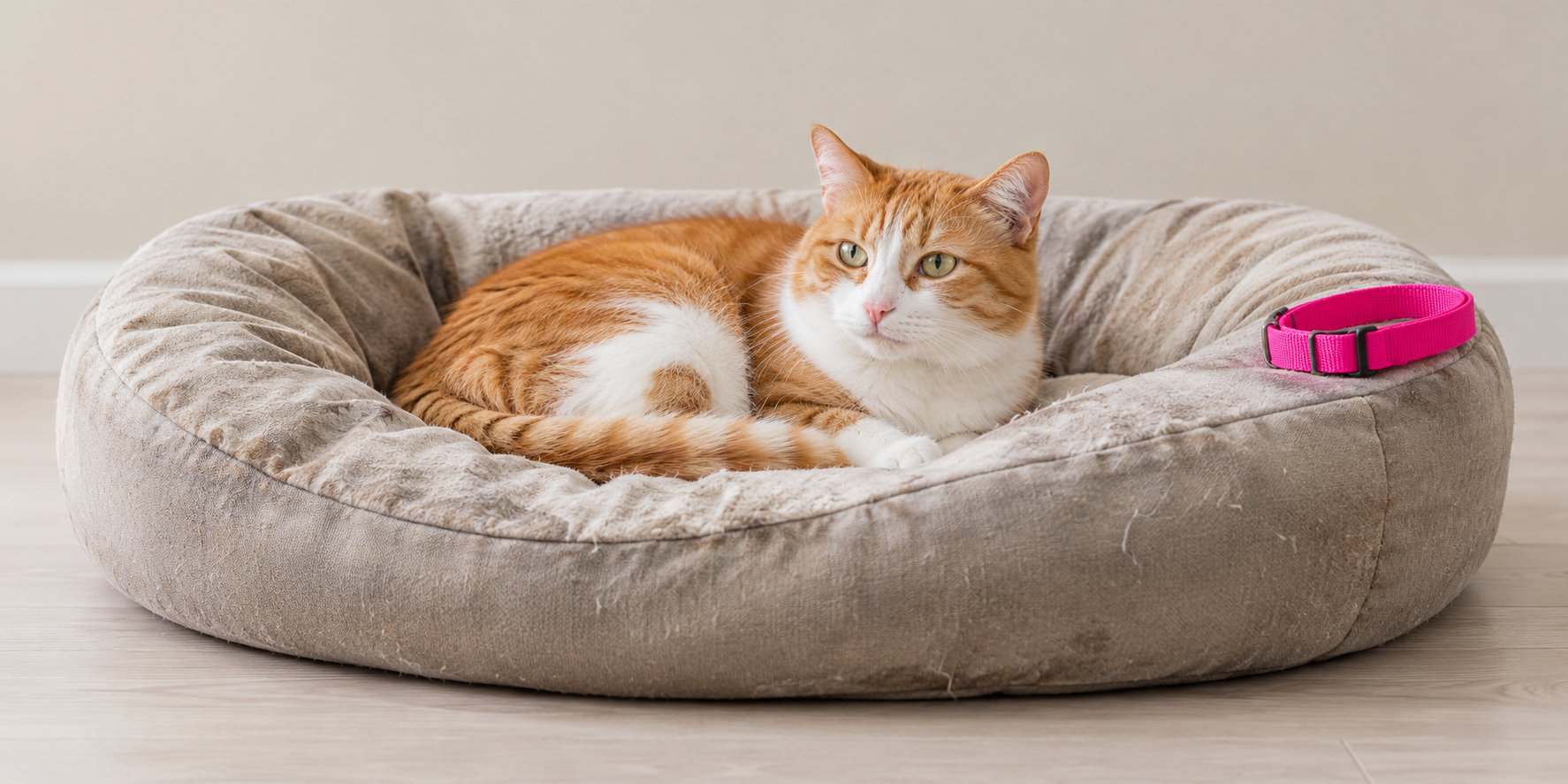
It made no significant difference whether the pet who died was a cat or a dog. The relationship mattered more than the species: cats who had spent more time doing things with their companion showed more of the grief-like changes.
The study relied on what caregivers remembered, with no record of how each cat behaved before the loss, and the caregivers' own grief was linked to how much hiding and time alone they reported. So it is good evidence of grief-like behavior, but it does not prove that cats understand death or grieve the way people do.
That uncertainty does not make the changes unimportant. A cat who is eating less or seems unsettled still needs care, whatever the explanation turns out to be.
What does a cat grieving another cat look like?
Usually a change from their normal: less eating, play or sleep, or more calling, hiding and searching. Some cats show little change.
Try to notice your cat's own pattern without expecting a particular response. A cat who starts using more of the house after another pet dies may simply be adjusting to a different household. A cat who seems unchanged has not told you how much the relationship mattered.
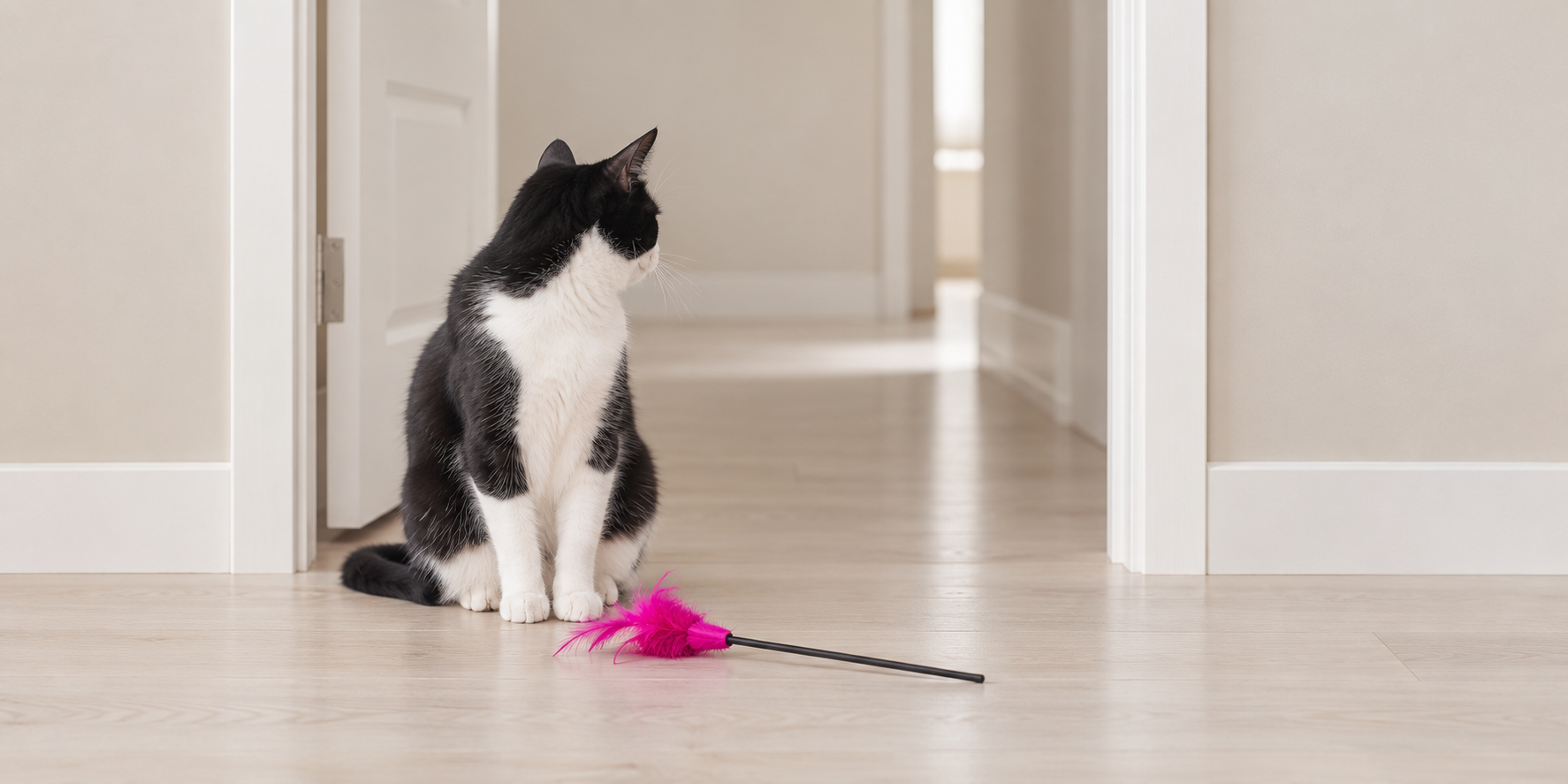
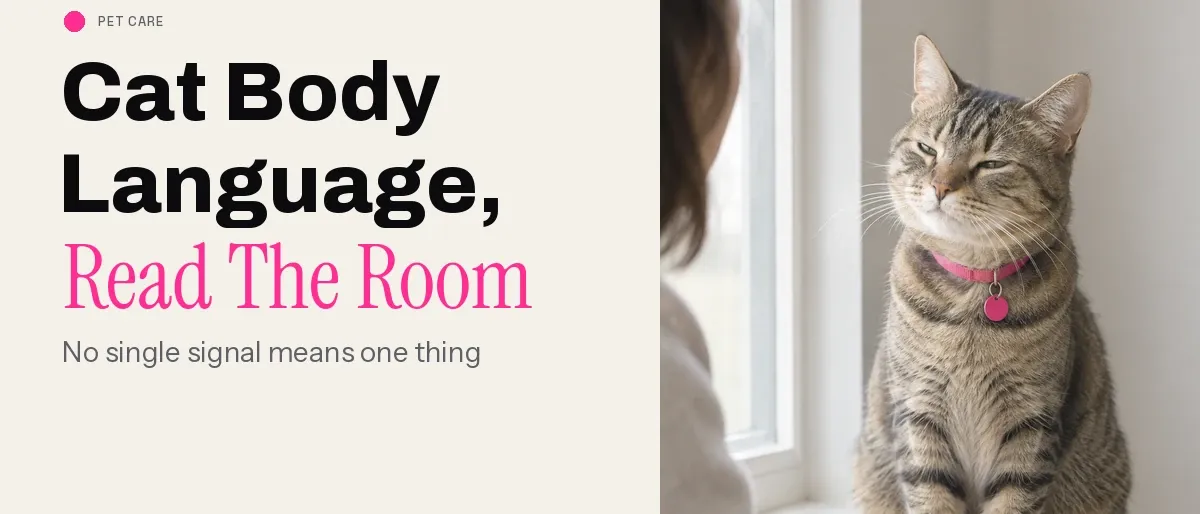
Their ears, eyes and tail will tell you more than a guess at their thoughts, and reading a cat's face and posture is a useful place to start.
Keep observations concrete. "He has left breakfast two mornings running" tells a veterinarian more than "he looks heartbroken". Both may be true to what you are seeing, but the first helps someone assess his health.
How can you help a grieving cat?
Keep their days predictable, let them decide how much contact they want, and leave them somewhere safe to retreat.
The Feline Veterinary Medical Association, formerly the American Association of Feline Practitioners, says interactions with a cat should be positive, predictable, consistent and tailored to that cat's preferences, and that places to hide and climb give a cat a sense of safety and control. In practice that means familiar feeding times, attention when your cat comes looking for it, and no hard feelings when they walk away. A sudden increase in handling can be stressful, even when it comes from love.
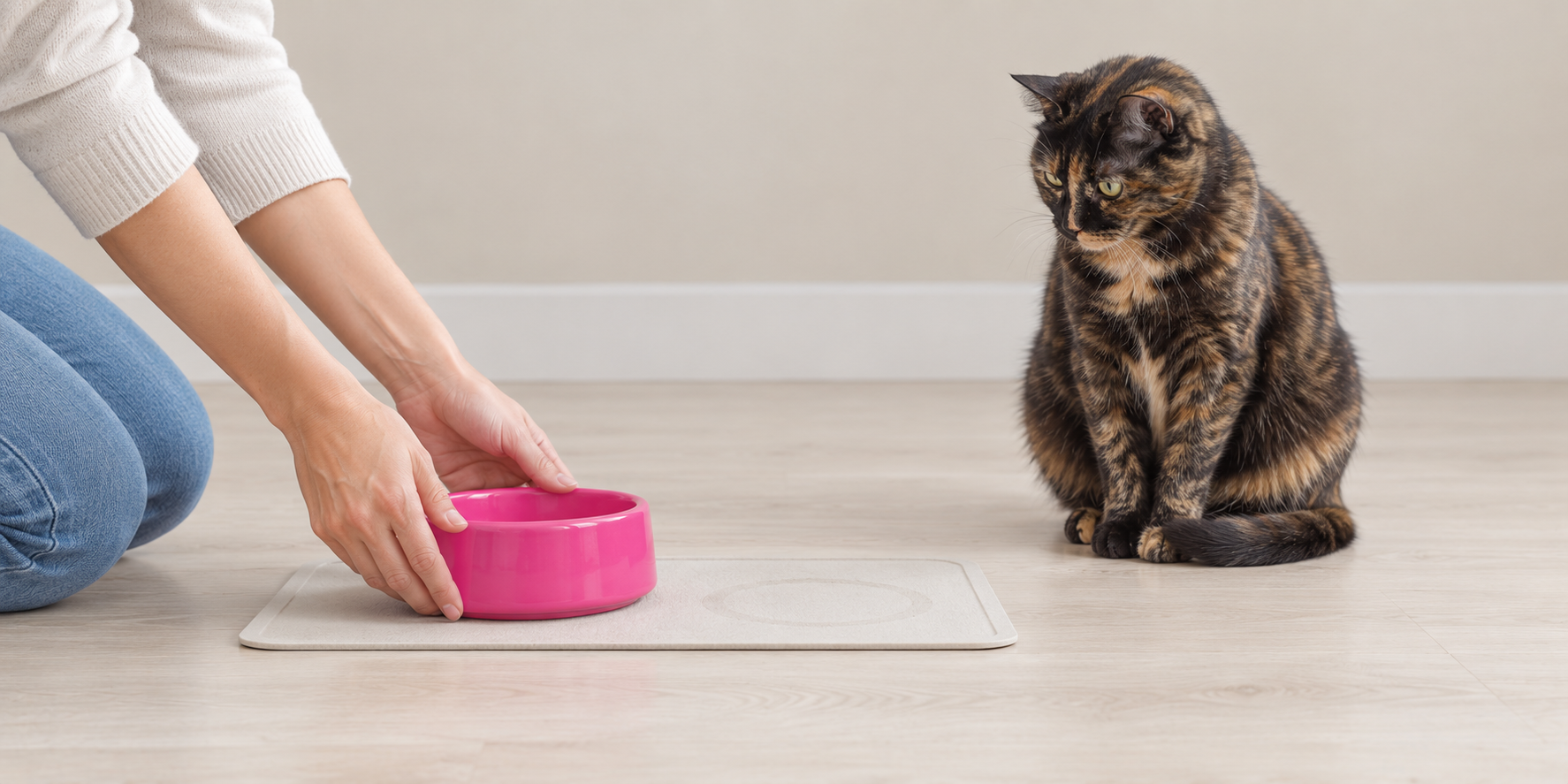
If the house is busy with visitors or arrangements, ask someone to keep an eye on the normal care routine. Quiet, ordinary things are easy to miss when you are grieving yourself.
Offer familiar play without insisting. Play and the chance to act out the hunt are on the same guidance's list of key needs. If they wander off, let the invitation end there. You are making room for their preferences, not working toward a recovery milestone.
When does a grieving cat need a veterinarian?
As soon as they stop eating. Cornell says appetite loss can seriously affect an adult cat within 24 hours.
Cornell's Feline Health Center notes that it has seen cats lose their appetite after losing a feline companion, which is exactly why grief should never be the reason to wait. Kittens under six weeks are at risk after just 12 hours without food. Do not hold off for two days because the timing seems to explain it.
Call the vet about reduced eating, marked tiredness, weight loss or any new symptom. Tell them how much your cat has eaten, when the changes started and whether their litter box habits are normal. The vet can then consider illness alongside the change at home. If appetite is the main worry, our guide to why a cat goes off their food covers what the vet will look for.
Should you get another cat after one dies?
Not automatically. A new cat is a new relationship to negotiate, and introductions take anywhere from days to months.
Cats do not necessarily welcome an unfamiliar companion, however lonely the house feels to you. Think about your surviving cat's history, health and temperament, your own readiness, and advice from your veterinarian or the shelter.
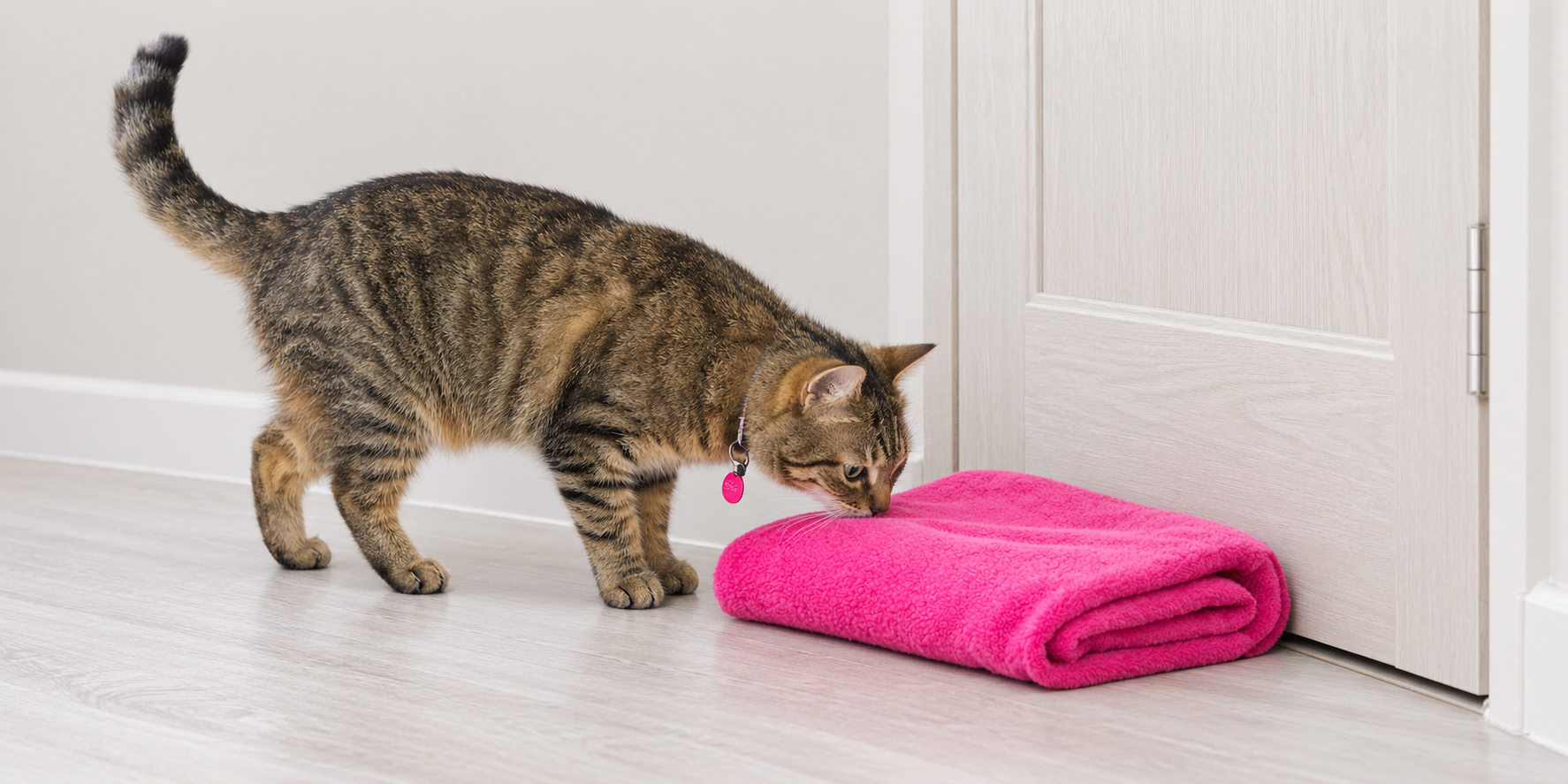
If you do decide to adopt, the Feline Veterinary Medical Association's guidance is to introduce a new cat slowly, with a separate food bowl, water bowl, litter box, bed and scratching post for each cat plus one extra, and to expect the process to take days to months, sometimes longer. A new arrival should never be expected to replace the individual you lost.
Where can you find support for your own grief?
Cornell's Pet Loss Support Hotline, free on 607-218-7457, is staffed by veterinary students trained by professional grief counselors.
Hours change with the season and volunteer availability, so call for current times. It is not a mental health crisis line, though volunteers can point you toward the right help. There is no obligation to sound sensible about an empty cat bed.
The notes you have been keeping, the skipped breakfasts and the new hiding spot, are worth keeping somewhere that lasts. pookii, the internet for pets, gives every pet a page that keeps their story, and the companion your cat lost is part of that story too.
You do not have to know exactly what they feel to make home feel safe. Familiar care, gentle observation and help when something changes are all things you can offer.
The questions everyone asks
Can cats grieve when another pet dies?
Cats can show changes consistent with grief, such as eating less, searching or seeking more attention, whether the pet who died was a cat or a dog. Owner-report research cannot establish exactly what a cat feels, so changes still need careful watching and the right health checks.
How can I comfort my cat after a companion dies?
Keep feeding times and familiar routines as steady as you can. Offer attention and play when your cat wants them, and allow quiet time alone. Watch their eating, litter box habits and activity rather than expecting a particular emotional response.
Should I get another cat to help my surviving cat?
A new cat is not automatically helpful after a companion dies. Consider your surviving cat's history, preferences and health, as well as your own readiness. If you decide to adopt, plan a slow introduction with a separate set of resources for each cat.
Is it normal for a grieving cat to stop eating?
Appetite can change after a loss, but a cat who stops eating needs prompt veterinary advice. Cornell warns that going without food can seriously affect an adult cat within 24 hours. Tell the vet about the loss and what your cat has eaten.
Sources
[1] Greene B, Vonk J. Is companion animal loss cat-astrophic? Peer-reviewed survey study, 2024.
[2] Feline Veterinary Medical Association. Setting up the environment for success.
[3] Cornell Feline Health Center. Anorexia.
[4] Feline Veterinary Medical Association, published as AAFP. Step-by-step guide: how to introduce a new cat to other cats in your home, 2024.
[5] Cornell University College of Veterinary Medicine. Pet Loss Support Hotline.