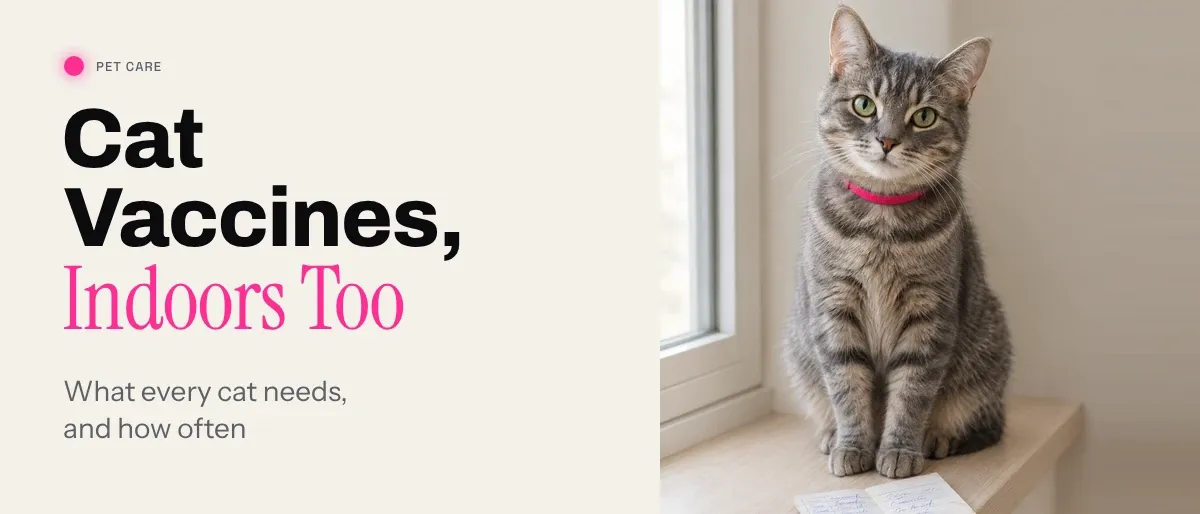
Every cat needs the core cat vaccines, including cats who never go outside. That means the combination shot often called FVRCP, which covers panleukopenia, feline herpesvirus and calicivirus, plus rabies where the law or your veterinarian calls for it. Kittens and young cats under a year also get feline leukemia virus (FeLV). After that, how often your cat needs each one depends on the vaccine, their age and how they live.
This page covers the cat side of our vaccination schedule for dogs and cats. If you want the dog version, it's in which shots your dog actually needs.
The question usually arrives on a reminder card, addressed to a cat who is asleep in the one patch of sun in the house and has no plans to go anywhere, ever. That plan is exactly why so many indoor cats fall off the schedule.
Which vaccines are core for cats, and which depend on your cat?
FVRCP and rabies are core for every cat, and FeLV is core while your cat is under a year old.
The 2020 feline vaccination guidelines from the American Animal Hospital Association and the American Association of Feline Practitioners (AAHA and AAFP) set out the groups:
| Vaccine | What it protects against | Who needs it |
|---|---|---|
| FVRCP (FPV, FHV-1, FCV) | Panleukopenia, feline herpesvirus, calicivirus | Every cat |
| Rabies | Rabies | Every cat where the law or your vet requires it |
| FeLV | Feline leukemia virus | Every kitten and cat under 1 year; after that, based on risk |
Everything else is non-core, which means your vet decides based on where you live and what your cat does all day.
Do indoor cats need vaccines?
Yes, and this is the part most owners push back on.
Most people who search "do indoor cats need vaccines" are hoping for a no. But the core ones protect against things that come to your cat, not just things your cat goes out to find.
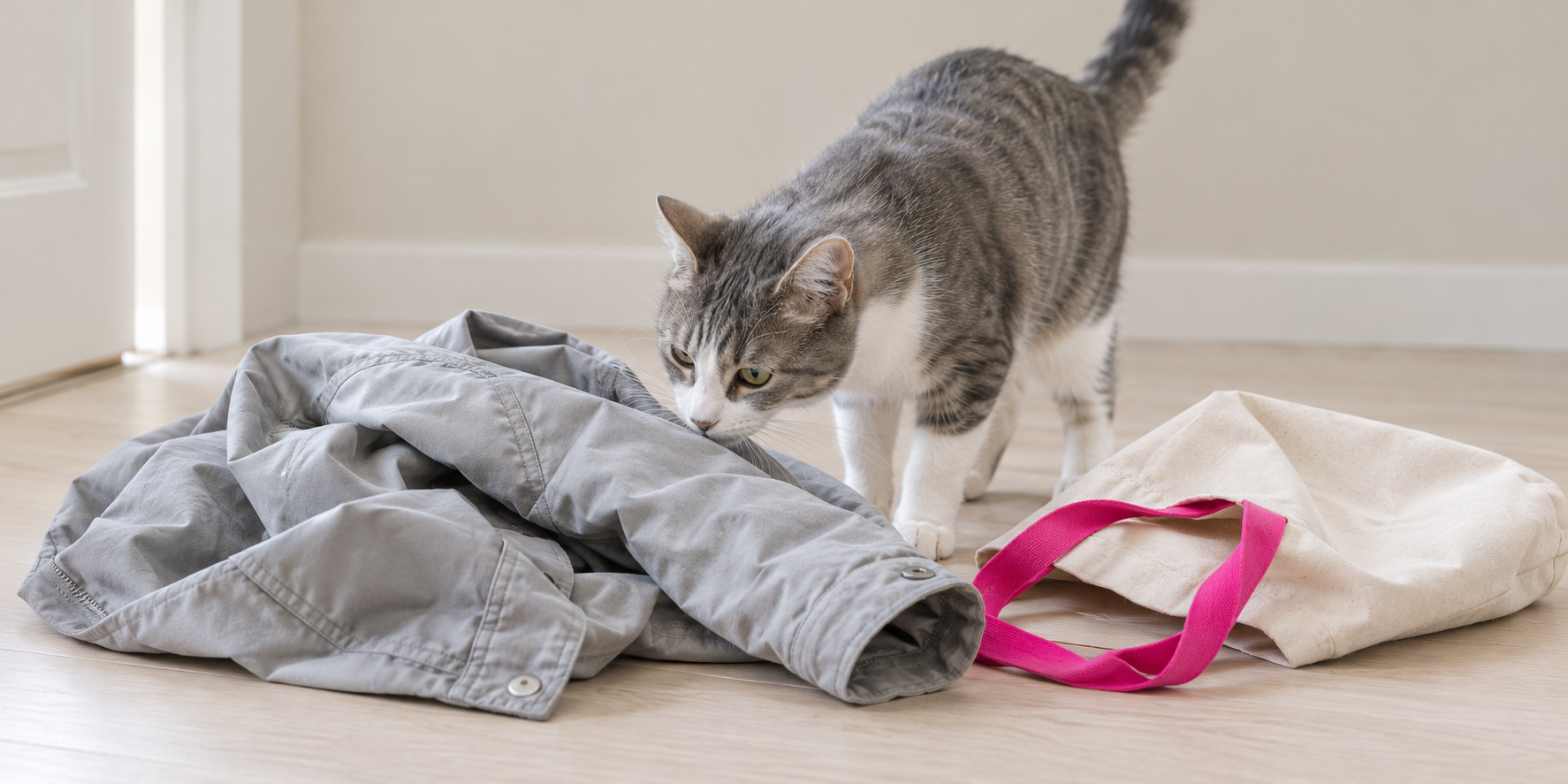
"She never goes outside" sounds like a good reason to skip, but panleukopenia doesn't need your cat to go anywhere. The Cornell Feline Health Center says the virus can survive indoors for many months, upwards of a year without proper disinfection, and that it travels on things like bedding, bowls, toys and people's hands or clothing after handling an infected cat. It doesn't need an open door, just something that came through one. Cornell lists vomiting, diarrhea, fever, lethargy and loss of appetite among the signs, most often in cats under a year old, so a young cat who has suddenly stopped eating is a reason to call your vet promptly.
The other reason is less dramatic. Indoor cats get out. They slip past a delivery, go to boarding when you travel, move house with you, or end up at an emergency clinic sitting next to a sick cat. The core vaccines are the ones that matter in exactly those moments.
What indoor living does change is the risk-based shots. An adult indoor-only cat who has tested negative for FeLV may not need that vaccine kept up, and that's a reasonable conversation to have with your vet.
When are kitten vaccines given?
From about 6 weeks old, every 3 to 4 weeks, until they're 16 to 20 weeks.
Kitten vaccines follow a series rather than a single shot. The guidelines say the FVRCP series should start no earlier than 6 weeks and repeat every 3 to 4 weeks until 16 to 20 weeks of age. The reason it runs that late is the kitten's mother. Antibodies passed on from her can block a vaccine, and nobody can tell exactly when they fade, so the series keeps going until it's safely past that point.
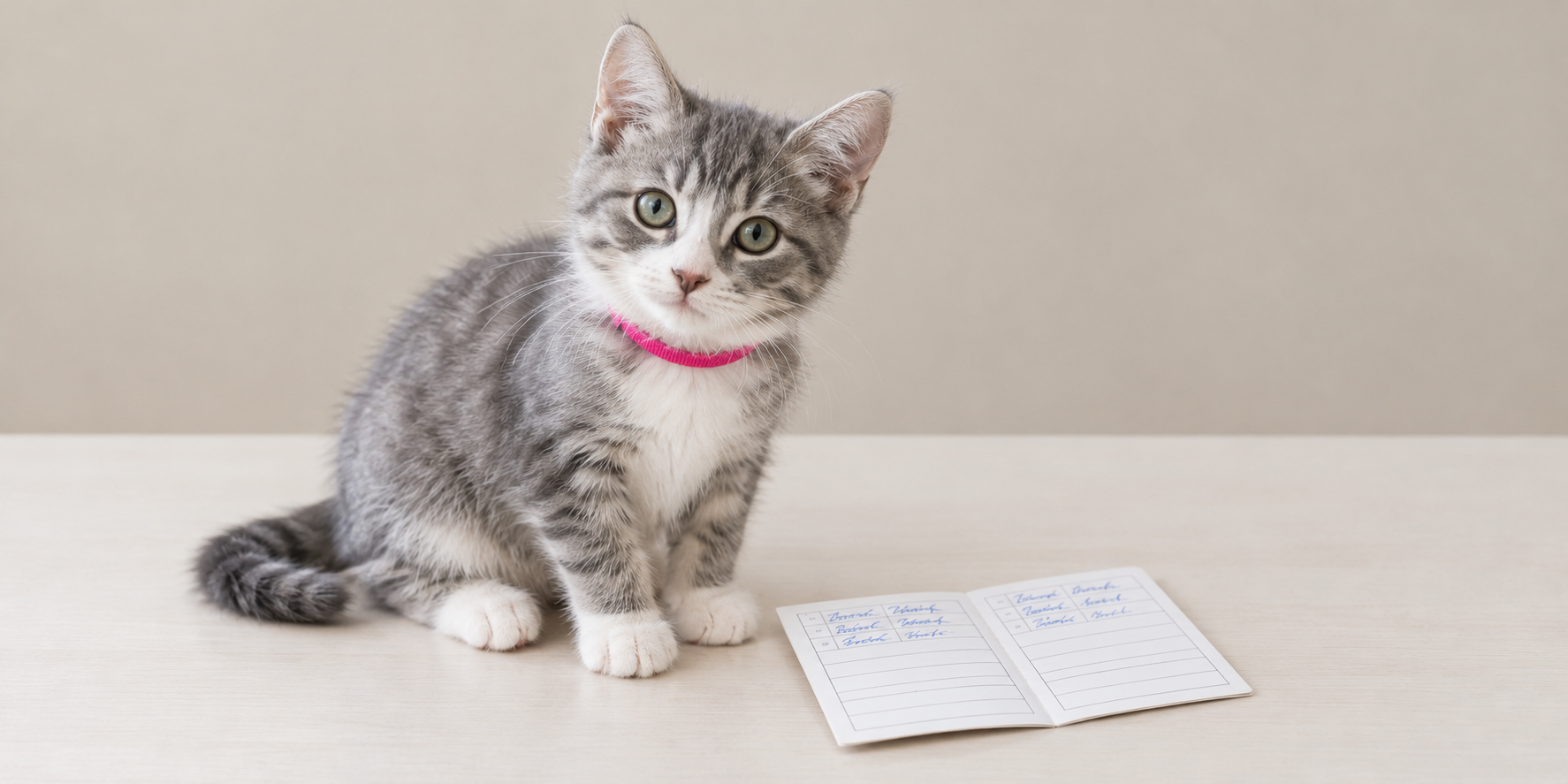
FeLV is two doses, 3 to 4 weeks apart, starting as early as 8 weeks. The guidelines also say to test for FeLV before vaccinating. Rabies follows the vaccine label and your local law, so your vet will tell you the age.
A kitten adopted at 16 weeks or older starts a little differently, usually with one or two doses of FVRCP depending on the type of vaccine.
Is there a kitten booster at six months?
There can be, and it's the step owners hear about least.
The AAHA and AAFP guidelines suggest considering the first FVRCP booster at 6 months of age rather than waiting until 1 year, for kittens whose mother's antibodies might still have been around at their last kitten shot. It closes a gap where a kitten could look fully vaccinated on paper and not be.
It also means an extra visit in the first year, because FeLV and rabies boosters still fall due around the one year mark. Ask your vet whether your kitten is on the 6 month plan, and write down which one it is.
How often do adult cats need vaccines?
Every 3 years for FVRCP, with rabies and FeLV depending on the product and your cat's risk.
After the first-year boosters, here's how the guidelines lay it out:
| Vaccine | Adult schedule |
|---|---|
| FVRCP, injected | Every 3 years |
| FVRCP, nose drops | Every year, and it doesn't cover panleukopenia |
| Rabies | Every 3 years with a 3-year vaccine where local law allows; some areas or products are yearly |
| FeLV | Every year for at-risk cats, such as outdoor cats or cats that fight; every 2 to 3 years when exposure is less likely, depending on the product; often stopped for low-risk indoor adults |
The nose-drop FVRCP is worth knowing about. It works faster against the respiratory viruses, but the guidelines note it gives no protection against panleukopenia, which is the one indoor cats are most exposed to through objects and people.
Why is it so easy to fall behind on cat vaccines?
Because after the first year, your cat's shots stop running on one clock.
A kitten's year is busy but simple: a visit every few weeks, then the one year boosters. After that, FVRCP might be every three years, rabies every one or three depending on the vaccine your clinic stocks, and FeLV yearly, every two to three, or not at all. Three different clocks, and the longest one is the easiest to lose.

That's how a cat ends up a year late without anyone deciding to skip. Changing clinics makes it worse, because the new practice starts from whatever paperwork you bring.
The fix is boring and works. After each visit, write down what was given, the date, and when that particular vaccine is due next. For rabies, keep the certificate itself, since the date on it is the one boarding and travel will ask for, the same as it works for a dog's rabies shot.
Three clocks for one cat is a lot to carry in your head, which is why we give every cat their own page on pookii, with the dates sitting where you can find them.
What else do people ask about cat shots?
What is the FVRCP vaccine for cats?
A combination shot against three viruses: feline panleukopenia (FPV), feline herpesvirus-1 and calicivirus. AAHA and AAFP list it as core, which means every cat should have it.
Do indoor cats need the rabies vaccine?
Usually, because rabies rules follow your state or local law rather than your cat's lifestyle. Where it's required, AAHA and AAFP recommend a 3-year vaccine where the law allows. Your vet will know the rule where you live.
How often do cats need vaccines?
After the first-year boosters, FVRCP by injection every 3 years, rabies every 1 or 3 years depending on the vaccine and local law, and FeLV based on your cat's risk.
Should my cat be tested before the FeLV vaccine?
Yes. The AAHA/AAFP guidelines say to test for FeLV before vaccinating, so your vet knows your cat's status first.